Why Your Marketing Isn't Broken, Your Website Is
Most service businesses don't have a lead generation problem, they have a conversion problem. Here's where the real lead leaks are and what to look for on your own site
A roofer posted a question in a Facebook group the other day that I haven't been able to stop thinking about. He'd tried everything. Google Ads. Facebook ads. Direct mail. Door knocking. Cold calling. Every time, after one to three months, his ROI went negative. He wasn't asking for a magic traffic source — he just wanted to know if anyone, anywhere, had found a way to generate roofing appointments for under $200 each with a positive return. Dozens of comments rolled in. Most of them recommended yet another traffic channel, a different ad platform, a new lead service, a referral network. A few people told him marketing just doesn't work for roofing anymore. Nobody asked him about his website and that is the problem.
The Traffic Isn't the Issue — The Website Is
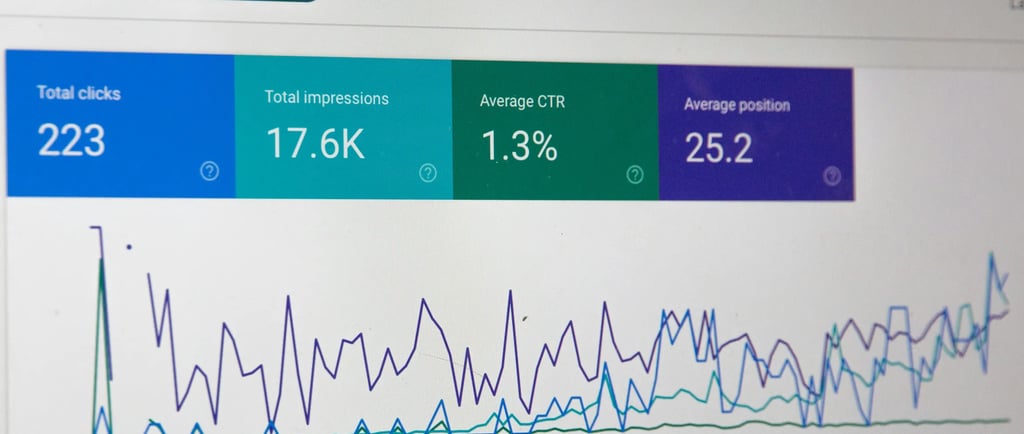
Most service businesses don't have a lead generation problem. They have a website conversion problem. The traffic is arriving. Visitors are landing on the site. But the site isn't turning those visitors into phone calls, form submissions, or appointment requests.
This is true across multiple industries. The median medical practice website converts just 3.6% of visitors into leads or bookings (First Page Sage / Socorro Marketing, 2025). The average roofing company converts only 3.7% of paid search visitors (LocaliQ, 2025). Meanwhile, top-performing sites in both categories convert at 16% to 20% — a gap of 4x to 5x with the same traffic.
Run the math on that gap. A business spending $5,000 a month on Google Ads and sending 1,000 visitors to a site that converts at 3.7% generates 37 leads. The same spend, same traffic, sent to a site converting at even the home services industry average of 7.8% generates 78 leads. At the top-performer range, that's 160 or more.
That's not a traffic problem. That's a website problem. The roofer in that Facebook post, and the dermatologist spending $10,000 a month on ads, and the attorney buying pay-per-click leads, may all be buying perfectly good traffic and pouring it into a site that loses most of it before anyone ever picks up the phone.
The $92-to-$1 Spending Gap
Here's the number that explains why this keeps happening: across service industries, businesses spend $92 acquiring website visitors for every $1 they spend converting those visitors to leads once they arrive (Fetch & Funnel, 2025).
Ninety-two dollars on ads, SEO, social media, direct mail, getting people to the door. One dollar on making sure the door actually opens.
This is the structural error across the entire service business marketing landscape, from contractors to medical practices to professional service firms. Agencies sell traffic. Platforms sell leads. Software sells scheduling and CRM. Almost nobody looks at what happens between the click and the phone call. The website is the gap that hardly anyone fills, but it’s the website where the traffic is landing and then disappears.
On top of that, the economics are getting worse. The cost per lead increased for 69% of home services businesses year over year, with an average increase of 10.51% (LocaliQ, 2025). Medical practices spend $5,000 to $22,000 a month on advertising while converting at a median rate of 3.6%, meaning 96 out of every 100 visitors leave without booking. Roofing leads on Google Ads run from $133 to $500 each (SearchLight Digital / Front Range Momentum, 2026). Every one of those clicks that hits a weak website and bounces is cash in the trash.
The only lever that reduces cost per lead without increasing ad spend is conversion rate. Fix the website, and every dollar of traffic works harder.
What a Broken Conversion Path Actually Looks Like
This problem isn't abstract. Whether you run a roofing company, a medical practice, or an accounting firm, you can check your own site for the following problems right now.
No clear reason to stay.
Your homepage headline is your company name and maybe your tagline underneath. There's no statement that tells a visitor why they should choose you over the competition. Homeowners now request six or more bids for a single job (New York Times, via LocaliQ, 2025). Patients searching for a cosmetic procedure compare three to five providers before booking a consultation. If your site doesn't give them a reason to stop scrolling within five seconds, they're gone. They didn't leave because your ads were bad. They left because your site didn't give them a reason to stay.
The next step is buried or painful.
Your "Request a Quote" button is in the footer. Your "Book a Consultation" link goes to a form with eight required fields. Your "Contact Us" page takes two clicks to reach. Every extra click, every extra form field, is a place where a potential customer or patient decides it's easier to go to the next provider on their list. If it's not obvious and easy within the first screen a visitor sees, it might as well not exist.
No trust signals where they matter.
Reviews, certifications, license numbers, before-and-after photos, professional credentials, these aren't just decorations. They're the reason someone picks up the phone instead of hitting the back button. And they need to be visible immediately, not buried on an "About Us" page nobody visits. A homeowner comparing six roofers, a patient choosing between three dermatologists, a business owner evaluating CPAs, they're all looking for a reason to narrow the list. Trust signals are that reason.
The mobile experience is broken or slow.
Sixty percent of all healthcare searches happen on a mobile device (ZealousWeb, 2025), and the number is even higher for emergency home services. If your site loads slowly on mobile, if the phone number isn't tappable, if forms are hard to fill out on a small screen, you're losing visitors before they see your message. A page that takes more than three seconds to load loses a significant portion of visitors on any device. Bounce probability increases 32% when load time goes from one to three seconds (Google/Portent, 2025). At five seconds, bounce probability increases 90%.
Before You Spend Another Dollar
The roofer in that Facebook post doesn't need a sixth traffic channel. He needs someone to look at his website and tell him where the leaks are. The same is true for the medical practice wondering why their $10,000 ad budget isn't filling the schedule, or the law firm that can't figure out why their pay-per-click campaigns produce clicks but no consultations.
That's what a premium conversion audit does. It's a structured review of your site against proven design and conversion principles, against actual behavioral science, not guesswork, not a software scan, not a vague list of "suggestions." It checks your homepage, your service pages, your forms, your calls to action, your trust signals, your mobile experience, and tells you specifically what's working, what's leaking, and what to fix first.
Most marketing agencies will never suggest this. They make money selling you traffic. A conversion audit is the step that should happen before you spend on traffic, not after you've burned through five channels wondering why nothing works.
If you're spending on ads and not seeing the return you expected, the problem might not be the ads. It might be the place you're sending people.
Frequently Asked Questions
Why aren't my Google Ads generating leads?
In most cases, the ads are generating clicks and the traffic is arriving. The problem is what happens next. The median service business website converts only 3.6% to 7.8% of visitors into leads, depending on the industry (First Page Sage, 2025; WebFX, 2026). If your site doesn't immediately build trust, make it easy to take the next step, and give visitors a clear reason to choose you, the traffic leaves without converting. The issue usually isn't the ad, it's the landing page.
What is a good website conversion rate for a service business?
It depends on the industry. Home services averages 7.8%, with top performers reaching 16% (WebFX, 2026). Medical practice websites convert at a median of 3.6%, while top-performing healthcare sites reach over 20% (First Page Sage / Socorro Marketing, 2025). Emergency services like plumbing convert higher, between12% to 16%. That’s because urgency drives immediate action. Planned services and consultative purchases sit lower. If your site is below your category average, there are likely specific, fixable problems causing the gap.
How much does a roofing lead cost on Google Ads?
Roofing leads on Google Ads typically cost $133 to $500 per lead, depending on your market and competition (SearchLight Digital / Front Range Momentum, 2026). Cost per lead has been increasing across home services. 69% of businesses have seen their CPL go up year over year (LocaliQ, 2025). This makes conversion rate optimization critical, because improving the percentage of visitors who become leads reduces your effective cost per lead without increasing ad spend.
What is a CRO audit and does my business need one?
A CRO (Conversion Rate Optimization) audit is a structured evaluation of your website against proven conversion principles and actual behavioral science. It examines your homepage, service pages, calls to action, forms, trust signals, mobile experience, and page speed to identify specific problems that are causing visitors to leave without contacting you. If you're spending money on advertising and not getting the leads or calls you expect, a CRO audit identifies whether your website is the weak link, before you spend more on traffic.
What is the biggest website mistake service businesses make?
The most common mistake is having no clear value proposition on the homepage. Many service business websites, contractors, medical practices, professional firms, use the business name as the headline with no statement explaining what makes them different or why a visitor should take the next step. Homeowners now request six or more competitive bids per job (New York Times, via LocaliQ, 2025), and patients compare multiple providers before booking. Your site is being evaluated side by side with competitors. If it doesn't immediately communicate why you're the right choice, visitors move on.
Does page speed really affect whether I get leads from my website?
Yes. Bounce probability increases 32% when page load time goes from one second to three seconds, and 90% at five seconds (Google/Portent, 2025). A slow site loses visitors before they ever see your services, your reviews, or your estimate request form. This affects both mobile and desktop visitors. Google also uses mobile page speed as a ranking factor, meaning a slow site can reduce your visibility in search results and your conversion rate at the same time.